
AI Marketing for Building Materials Suppliers
Automated content showcasing your inventory, expertise, and services—built specifically for lumber yards, building supply companies, and materials suppliers serving contractors and homeowners

Rank for '[material] supplier [your city]' searches

Content for your entire material inventory

Reach both contractors and DIY customers

Why Marketing Is Challenging for Building Materials Suppliers
You're experts at material sourcing, inventory management, and serving both contractors and homeowners. But marketing your extensive inventory and expertise while managing operations? That's a different challenge entirely.

Local Supply Yard vs. National Chains
Building materials suppliers compete against massive big-box retailers with enormous marketing budgets, nationwide brand recognition, and corporate marketing teams.
What You're Up Against:
Big-Box Competitors:
- Home Depot (nationwide locations, massive marketing)
- Lowe's (extensive advertising reach)
- Menards (regional dominance with huge ad spend)
- 84 Lumber and other large building supply chains
- Tractor Supply Co. (rural and agricultural market)
- Regional chains with multi-location marketing leverage
Their Advantages:
- Multi-million dollar advertising budgets
- National brand recognition and awareness
- Corporate marketing departments (50+ person teams)
- TV, radio, and digital advertising campaigns
- Extensive online review volume (thousands of reviews)
- Cross-promotion opportunities across departments
- Price perception advantage (volume buying power)
- SEO resources and technical teams
- Professional photography and content production
What You Have That They Don't:
Product Selection & Expertise:
- Specialized materials big-box stores don't carry
- Contractor-grade materials and commercial inventory
- Expert material knowledge and application guidance
- Custom orders and special requests handled
- Quality material sourcing relationships
- Professional contractor supplies
- Specialty items and hard-to-find materials
Service & Relationships:
- Delivery services and logistics to job sites
- Established contractor account relationships
- Material estimation and project planning assistance
- Load-out assistance and professional service
- Decades of local expertise and reputation
- Knowledgeable staff with real construction experience
- Personal relationships with repeat customers
Contractor Services:
- Commercial account terms and credit
- Bulk pricing and volume discounts
- Consistent supply and material availability
- Job site delivery scheduling and coordination
- Account management and dedicated service
- Return and warranty handling
- Project support and material recommendations
Quality & Sourcing:
- Higher-grade materials than big-box inventory
- Local and regional material sourcing
- Quality control and grading standards
- Material consistency for large projects
- Supplier relationships ensuring availability
- Special order capabilities
The Problem: When contractors or homeowners search 'lumber yard [your city]', 'building materials [your city]', or '[specific material] supplier near me', the big-box stores dominate search results despite your superior inventory, expertise, service, and contractor relationships. Your competitive advantages—specialized inventory, expert guidance, contractor services, quality materials—don't show up in search unless you have consistent local SEO and content marketing.

Hundreds of Materials, Minimal Marketing
Building materials suppliers stock hundreds or thousands of different products across dozens of categories. Each material needs its own content strategy to rank in searches and educate customers.
Your Inventory Scope:
Lumber & Wood Products:
- Dimensional lumber (2x4, 2x6, 2x8, 2x10, 2x12, etc.)
- Treated lumber (pressure-treated, ground contact)
- Plywood and OSB (various grades and thicknesses)
- Specialty lumber (cedar, redwood, hardwoods)
- Engineered lumber (LVL, I-joists, glulam beams)
- Decking materials (pressure-treated, composite, cedar)
- Trim and molding (various species and profiles)
- Fence pickets and boards
Framing & Structural:
- Studs (metal and wood)
- Headers and beams
- Joists and rafters
- Trusses (custom and stock)
- Engineered wood products
- Metal framing components
- Structural hardware and connectors
- Post bases and anchors
Exterior Materials:
- Siding (vinyl, fiber cement, wood, metal)
- Roofing materials (shingles, metal, tile)
- Soffit and fascia
- Housewrap and building paper
- Flashing and roof accessories
- Gutters and downspouts
- Exterior trim and accessories
- Weatherization products
Foundation & Masonry:
- Concrete blocks and CMUs
- Brick and pavers
- Mortar and cement
- Reinforcing steel (rebar, mesh)
- Concrete admixtures
- Waterproofing materials
- Foundation drainage products
- Masonry tools and accessories
Insulation & Drywall:
- Fiberglass batts (various R-values)
- Rigid foam insulation
- Spray foam (materials and equipment)
- Drywall sheets (various sizes and types)
- Metal studs and track
- Joint compound and tape
- Corner bead and accessories
- Sound insulation products
Doors & Windows:
- Interior doors (hollow-core, solid-core, panel)
- Exterior doors (steel, fiberglass, wood)
- Prehung door units
- Windows (vinyl, wood, aluminum)
- Sliding glass doors
- Storm doors and windows
- Door hardware and locksets
- Weather stripping
Hardware & Fasteners:
- Nails and screws (thousands of types)
- Bolts and anchors
- Construction adhesives
- Caulk and sealants
- Hand tools and power tools
- Safety equipment
- Measuring and layout tools
- Specialized contractor tools
Electrical & Plumbing:
- Wire and cable (various gauges)
- Electrical boxes and covers
- Conduit and fittings
- Light fixtures and fans
- PVC pipe and fittings
- Copper and PEX plumbing
- Plumbing fixtures and fittings
- Water heaters and accessories
Paint & Finishes:
- Interior and exterior paint
- Primers and sealers
- Stains and finishes
- Brushes, rollers, and spray equipment
- Paint accessories and sundries
- Surface preparation products
- Specialty coatings
- Color matching services
Plus: Concrete, aggregates, landscape materials, rental equipment, custom millwork, delivery services, and more.
Marketing Challenge: Each product category and individual material requires:
- Different target customers (contractors, builders, homeowners, renovators)
- Different search terms and keywords
- Different educational content
- Different application information
- Different specification details
- Different project types
- Seasonal considerations
- Regional variations
Content Needs Per Material:
- What it is and what it's used for
- Sizes, grades, and specifications available
- Application guidance and best practices
- Project types and uses
- Installation considerations
- Comparison to alternatives
- Pricing guidance (when appropriate)
- Availability and sourcing
The Problem: Creating marketing content for 500-2,000+ SKUs across dozens of categories manually would require multiple full-time content staff. Most building supply businesses focus marketing on 5-10 popular categories, leaving 80-90% of inventory invisible in search results. Contractors and homeowners searching for specific materials you stock never find you because you don't have content ranking for those searches.

Contractors vs. Homeowners
Building materials suppliers serve two fundamentally different customer types with dramatically different needs, knowledge levels, and content requirements.
Professional Contractor Customers:
Their Needs:
- Material specifications and technical data
- Bulk pricing and commercial account terms
- Consistent availability and reliable supply
- Job site delivery scheduling and logistics
- Account billing and credit terms
- Fast load-out and efficient service
- Material calculations and estimation support
- Quality consistency across orders
Their Knowledge Level:
- Understand material types, grades, and specifications
- Know exactly what they need by product code
- Familiar with technical terminology and industry standards
- Value quality, availability, and reliability
- Need dependable supplier relationships
- Experienced with material applications
Their Search Behavior:
- Search by specific material name and specification
- Compare suppliers on availability and pricing
- Research delivery capabilities and service areas
- Look for contractor accounts and commercial terms
- Mobile-heavy (from job sites and trucks)
- Quick decisions based on availability
Content They Need:
- Material specifications and technical details
- Bulk pricing information and account terms
- Delivery service areas and scheduling
- Stock availability and inventory depth
- Commercial account application process
- Load-out procedures and timing
- Quality standards and grading
- Contractor-specific services
Example Searches:
- '2x6x16 treated lumber [city]'
- 'contractor lumber yard [city]'
- 'bulk building materials [city]'
- 'job site delivery [city]'
- 'commercial building supply [city]'
DIY Homeowner Customers:
Their Needs:
- Material selection guidance and education
- Project planning help and recommendations
- Quantity calculations and estimating
- Installation instructions and tips
- Cost estimates and budget planning
- Small quantity purchases (one-time projects)
- Pickup options and assistance
- Weekend and evening availability
Their Knowledge Level:
- Often don't know specific material names or types
- Research extensively before purchasing
- Need education and guidance from staff
- Overwhelmed by choices and options
- Price-conscious and budget-focused
- First-time material buyers for many products
- Learning as they plan projects
Their Search Behavior:
- Search by project type ('build a deck', 'frame a wall')
- 'What type of [material] for [project]?'
- Research extensively before visiting
- Compare prices across multiple stores
- Desktop and mobile research
- Search evenings and weekends
Content They Need:
- Material selection guides by project type
- 'How much do I need?' calculators
- Project planning guides and tutorials
- Visual examples and photos
- Installation tips and best practices
- Budget guidance and cost ranges
- Tool and equipment recommendations
- Beginner-friendly explanations
Example Searches:
- 'lumber for deck building [city]'
- 'how much lumber to build fence'
- 'building materials store near me'
- 'drywall for room addition'
- 'what lumber for framing shed'
Marketing Challenge: The Balancing Act
Content Can't Be:
- Too technical (intimidates and confuses homeowners)
- Too basic (wastes contractors' time, seems unprofessional)
- Contractor-only focused (loses entire retail market)
- Homeowner-only focused (alienates professional contractors)
Content Must Be:
- Sophisticated enough for professionals
- Accessible enough for homeowners
- Appropriate for each audience segment
- Searchable by both groups
- Valuable to both customer types
The Problem: Creating separate, appropriate content strategies for two completely different customer segments—while covering hundreds of materials, maintaining consistent online presence, and serving both markets effectively—is nearly impossible manually. Most building supply businesses default to one audience (usually contractors), leaving significant market segment underserved and invisible in their marketing.

Marketing Through Seasonal Fluctuations
Building materials demand varies dramatically by season and project type. Marketing needs to adapt to seasonal patterns while maintaining year-round presence.
Seasonal Demand Patterns:
Spring (Peak Season):
- Deck construction materials (lumber, hardware, fasteners)
- Exterior projects (siding, roofing, trim)
- Landscaping and outdoor materials
- Foundation and concrete work
- Window and door replacements
- Fence building materials
Marketing Need: Emphasize availability, delivery, and in-stock materials during high demand
Summer (Continued High Demand):
- Roofing and exterior projects
- Concrete and masonry work
- Outdoor structures (pergolas, sheds, gazebos)
- Deck repairs and additions
- Siding and trim projects
- Commercial construction materials
Marketing Need: Maintain visibility for peak-season projects, emphasize quick turnaround
Fall (Transitioning Demand):
- Interior remodeling begins
- Insulation and weatherization
- Storm preparation materials
- Final exterior projects before winter
- Roof repairs before winter
- Gutter and drainage work
Marketing Need: Shift focus to interior and weatherization projects, late-season urgency
Winter (Lower But Steady Demand):
- Interior remodeling and renovations
- Basement finishing projects
- Drywall and insulation
- Trim and molding work
- Plumbing and electrical materials
- Interior doors and hardware
- Planning for spring projects
Marketing Need: Focus on interior projects, planning for spring, maintaining contractor relationships
Project Type Cycles:
New Construction:
- Year-round but seasonal peaks
- Large material orders and deliveries
- Predictable material needs
- Long-term contractor relationships
Remodeling & Renovation:
- Strong spring/summer, moderate fall/winter
- Varied material needs per project
- Mix of contractor and homeowner purchases
- Planning phases and execution phases
Maintenance & Repair:
- Consistent year-round demand
- Smaller orders, more frequent
- Emergency and immediate needs
- Both contractor and homeowner markets
DIY Projects:
- Heavy spring/summer
- Weekend and evening purchases
- Research and planning intensive
- Price-conscious buyers
Marketing Challenges:
During Peak Season:
- Too busy serving customers to market
- Marketing should be running automatically
- Need visibility when demand is highest
- Competitors also marketing heavily
During Slow Season:
- Should be marketing heavily for spring
- Limited budget during lower-revenue periods
- Need to maintain search rankings
- Planning for upcoming busy season
Content Adaptation Needed:
- Seasonal project emphases
- Timely material availability messages
- Weather-appropriate content
- Project planning for next season
- Inventory updates and specials
The Problem: Building materials demand is inherently seasonal, but effective marketing requires year-round consistency. During busy spring/summer seasons when marketing impact would be highest, you're too busy serving customers to create content. During slower fall/winter periods when you should be marketing for spring, resources are limited. Without automated, adaptive marketing that maintains presence year-round and adjusts messaging seasonally, you're invisible when customers are planning projects and lose ground to competitors with consistent marketing.

Communicating Decades of Local Expertise
Building materials suppliers have deep knowledge of local construction practices, building codes, materials suited to regional conditions, and contractor relationships—but this competitive advantage rarely appears in marketing.
Your Local Expertise:
Regional Building Knowledge:
- Local building codes and requirements
- Climate-appropriate materials and specifications
- Regional construction methods and practices
- Soil conditions and foundation considerations
- Weather patterns and material performance
- Seasonal building considerations
- Local inspection requirements
- Permit and regulatory knowledge
Material Expertise for Your Market:
- Materials suited to local climate
- Products that perform in regional conditions
- Quality standards for local market
- Appropriate grades and specifications
- Sourcing for local availability
- Delivery logistics in your area
- Installation methods for region
Contractor Relationships:
- Decades serving local builders and contractors
- Understanding of local construction community
- Knowledge of contractor needs and preferences
- Established commercial relationships
- Reputation among professional builders
- Support for local construction industry
Community Knowledge:
- Years of serving local homeowners
- Understanding of residential project patterns
- Knowledge of neighborhood characteristics
- Familiarity with local architectural styles
- Service area depth and coverage
- Delivery throughout region
Competitive Advantages of Local Expertise:
Better Guidance:
- Recommend appropriate materials for local conditions
- Understand which products perform best regionally
- Know local building code requirements
- Advise on seasonal considerations
- Provide reality-based project guidance
Inventory Decisions:
- Stock materials suited to local market
- Maintain inventory of regionally-appropriate products
- Source materials for local conditions
- Understand local demand patterns
- Special order capabilities for region
Service Quality:
- Fast delivery throughout service area
- Knowledge of local job sites and addresses
- Established logistics and routing
- Relationships with local contractors
- Understanding of project timelines
Trust & Credibility:
- Decades in local community
- Generations of family ownership (if applicable)
- Reputation among local contractors
- Known for quality and reliability
- Community involvement and support
Marketing Challenge:
How do you communicate:
- 30-50+ years of local market experience?
- Deep understanding of regional construction?
- Expertise in climate-appropriate materials?
- Established contractor relationships and trust?
- Knowledge of local codes and practices?
- Community roots and commitment?
Current Marketing Reality:
- Generic website could be anywhere in country
- No content demonstrating local knowledge
- Local expertise assumed but not communicated
- Regional specialization invisible
- Competitive advantage of location underutilized
- National chains appear equally local in search
The Problem: Your decades of local market expertise, understanding of regional construction practices, relationships with local contractors, and knowledge of climate-appropriate materials are core competitive advantages—but they're invisible in marketing. Big-box chains with no local expertise rank higher in local searches because they have consistent content marketing. Your competitive advantage of local knowledge doesn't help if it's not communicated effectively online.
Sound Familiar?
These challenges aren't unique to your building materials business—every local supply yard faces them. The difference between suppliers with steady contractor relationships and growing retail business versus those losing ground to big-box stores isn't inventory quality or service—it's having a marketing system that communicates extensive inventory comprehensively, positions local expertise credibly, serves both contractor and homeowner audiences appropriately, adapts to seasonal patterns automatically, and maintains consistent presence without requiring your time during busy seasons.
How AI-Powered Marketing Solves Building Supply Challenges
Every building materials marketing challenge has an AI-powered solution that works automatically, whether you're managing spring delivery schedules or planning for winter inventory.
Solution 1: Compete Effectively Against Big-Box Stores

Before/After Content Automation
AI transforms your completed projects into professional portfolio content automatically, showcasing transformations across all platforms without the 2+ hours per project of manual work.
Automated Portfolio System:
Simple Photo Submission:
- You provide before/after photos (even smartphone photos)
- Brief project details (scope, special features, challenges)
- Client permission for portfolio use
- AI handles all content creation and distribution
AI-Generated Content Includes:
Website Portfolio Entry:
- Professional transformation narrative
- Design decisions and rationale explained
- Material and finish selections highlighted
- Problem-solving and challenges overcome
- Client goals achieved
- Budget-conscious value demonstrated
- SEO-optimized for project type and style
Social Media Posts:
- Instagram-optimized before/after storytelling
- Facebook posts with transformation emphasis
- Pinterest-ready inspiration content
- Platform-specific captions and hashtags
- Design elements and features highlighted
- Call-to-action for similar projects
Google Business Profile:
- Project showcase posts with local focus
- Transformation highlights
- Design expertise demonstrated
- Service category positioning
- Local search optimization
Houzz Integration:
- Professional project descriptions
- Design style categorization
- Material and finish tagging
- Ideabook-ready presentation
- Search-optimized for design queries

Multi-Platform Distribution:
- All platforms updated simultaneously
- Consistent messaging across channels
- Photos optimized for each platform
- Professional presentation everywhere
- Regular portfolio updates automatic
Time Savings:
- Manual process: 2+ hours per project
- AI-powered process: 5 minutes (provide photos and details)
- You save 115+ minutes per project
- More projects documented = better marketing
The Result: Every completed remodeling project becomes professional marketing content across all platforms—website, social media, Google Business Profile, Houzz—without spending hours on documentation and posting. Your transformation portfolio stays current automatically, showcasing your design expertise to potential customers.
Solution 2: Design Expertise Positioning

Communicating Design Value Automatically
AI creates content that positions your design expertise, style capabilities, and collaborative approach—differentiating you from basic construction contractors.
Design-Focused Content:
Design Process Education:
- Content explaining your design consultation approach
- Space planning and layout optimization process
- Material and finish selection collaboration
- Style development and client collaboration
- Custom solutions for unique spaces
- Design-build integration benefits
Style Versatility Demonstration:
- Portfolio organized by design style
- Contemporary, traditional, transitional projects
- Style-specific keyword optimization
- Design trend awareness demonstrated
- Timeless vs. trendy approach explained
- Client style preferences accommodated
Material & Finish Expertise:
- Content about high-end materials and finishes
- Countertop material comparisons and guidance
- Tile selection for various applications
- Cabinet quality and construction types
- Fixture and hardware curation
- Lighting design considerations
- Color and finish coordination
Problem-Solving Design:
- Case studies of challenging space transformations
- Before/after showing creative solutions
- Budget-conscious design value engineering
- Maximizing small or awkward spaces
- Aging-in-place design integration
- Functionality improvements highlighted

Collaboration & Partnership:
- Content about design-client partnership
- Communication and decision-making process
- Designer relationships and collaborations
- Client testimonials about design experience
- Transparency in design process
- Managing expectations and timelines
Design Credibility:
- Years of design experience emphasized
- Portfolio demonstrating range and quality
- Style evolution and expertise growth
- Design trends understanding
- Local design preferences knowledge
- High-end project experience highlighted
The Result: Content that pre-educates potential clients on your design capabilities, collaborative approach, and expertise—positioning you as a design-focused remodeler worth premium pricing, not a commodity contractor competing on price.
Solution 3: Comprehensive Service Marketing

Content for All Remodeling Services
AI creates expert content for your complete range of remodeling services—not just kitchens and bathrooms, but every transformation you deliver.
Automated Multi-Service Content:
Service-Specific Pages:
- Kitchen remodeling content (full renovations to updates)
- Bathroom remodeling content (master to powder rooms)
- Basement finishing content (entertainment to living space)
- Whole-home renovation content
- Addition and expansion content
- Specialty remodeling services
- Each service with dedicated landing page
Service Education Content:
- 'What to Expect' guides for each service type
- Project timeline explanations by service
- Budget guidance for each remodeling type
- Design considerations for each space
- Material and finish options by project type
- ROI and value considerations
Search-Optimized Content:
- AI writes for 'kitchen remodel [city]'
- Content for 'bathroom renovation [city]'
- 'Basement finishing [city]' searches
- 'Whole home remodel [city]' content
- All services represented in search results
- Style-specific keywords included
Project Type Variety:
- Kitchen transformations showcased
- Bathroom renovations featured
- Basement finishes highlighted
- Whole-home projects documented
- Addition work presented
- All services visible in portfolio

Social Media Content:
- Rotating content across all services
- Diverse project showcases
- Educational content for each service
- Style variety demonstrated
- Seasonal project highlights
The Result: Instead of marketing 1-2 services manually, AI markets your complete capabilities—creating content for every remodeling service you offer, optimized for search, posted consistently, reaching homeowners searching for any type of remodeling work you perform.
Solution 4: Consistent Long-Cycle Presence

Visibility Throughout Decision Journey
AI maintains consistent marketing presence throughout homeowners' entire research and decision journey—4-9 months of visibility without manual effort.
Automated Consistency Throughout Sales Cycle:
Early Research Phase Support:
- Fresh portfolio content for Pinterest/Instagram discovery
- Educational articles about remodeling considerations
- Design style guides and inspiration
- Budget planning content
- Remodeling process explanations
- Local market insights
Active Consideration Phase Support:
- Recent project showcases demonstrating current work
- Client testimonials and success stories
- Design expertise and capabilities demonstrated
- Material and finish selection guidance
- Contractor selection criteria content
- Comparison-friendly positioning
Final Decision Phase Support:
- Warranty and quality guarantees highlighted
- Communication and project management approach
- Design collaboration process explained
- Timeline and budget transparency
- Professional credibility demonstrated
- Local reputation and reviews emphasized
Consistent Multi-Platform Presence:
- Website blog updates (fresh content signals)
- Social media posts (daily presence)
- Google Business Profile updates (weekly minimum)
- Houzz portfolio additions (as projects complete)
- Instagram stories and posts (regular engagement)
- All platforms active automatically

Year-Round Marketing:
During Busy Season:
- Marketing continues while you work on projects
- Portfolio updates from completed work
- Design expertise demonstrated
- Service availability managed
- Lead generation continues
During Slower Seasons:
- Increased marketing for upcoming busy season
- Recent project showcases
- Design capabilities highlighted
- Educational content emphasized
- Building pipeline for spring work
Search Engine Benefits:
- Google rewards consistent, fresh content
- Regular publishing maintains and improves rankings
- Continuous content = continuous visibility
- Never lose rankings during busy periods
- Compounding SEO value over time
The Result: Whether homeowners are starting to browse Pinterest for inspiration or actively requesting estimates, your remodeling business maintains professional, consistent presence throughout their entire decision journey—automatically, without your time or effort.
Solution 5: Zero Time Investment

Marketing That Runs While You Design
AI-powered marketing runs completely hands-off, freeing you to focus on design, clients, and projects—the work you love and excel at.
Your Time Investment:
Initial Setup (One-Time):
- 3-4 hour onboarding conversation
- Share your remodeling approach and philosophy
- Discuss service offerings and specialties
- Provide existing portfolio projects
- Review and approve business profile
- Total: 4-5 hours one time
Ongoing Time Investment:
- Provide photos and brief details for completed projects: 5 minutes per project
- Review monthly performance report (optional): 15 minutes monthly
- Total: ~30-45 minutes monthly
Everything Else Automated:
- Content creation for all services
- Social media posting (daily)
- Blog article writing and publishing (weekly)
- Google Business Profile updates
- Portfolio management
- Houzz profile updates
- Search optimization
- Multi-platform distribution
What You DON'T Do:
- No writing project descriptions
- No editing and posting photos
- No social media management
- No blog writing
- No SEO work
- No platform juggling
- No marketing strategy decisions
- No content calendar planning

Time Comparison:
Manual Remodeling Marketing:
- Weekly social media: 5-6 hours
- Monthly blog articles: 8-10 hours
- Project portfolio updates: 2 hours per project
- Google Business updates: 2-3 hours monthly
- Houzz updates: 1-2 hours monthly
- Total: 40-50 hours monthly
AI-Powered Marketing:
- Your time investment: 30-45 minutes monthly
- Time saved: 39-49 hours monthly
- Annual time saved: 468-588 hours
Value of Time Saved:
- Your hourly value as remodeler: $100-200+ per hour
- Monthly value of time saved: $3,900-$9,800
- Annual value of time saved: $46,800-$117,600
- Time redirected to design, clients, projects, business growth
The Result: Professional, consistent, comprehensive marketing running automatically while you focus on design consultations, project management, client relationships, and delivering beautiful transformations. Marketing happens whether you're reviewing cabinet selections, managing bathroom tile installation, or meeting new clients—completely hands-off.
How AI-Powered Marketing Solves Building Supply Challenges
Our AI-powered platform addresses every challenge specifically for HVAC contractors—with zero ongoing time commitment from you.

AI-Powered Seasonal Marketing
AI automatically adjusts content strategy based on season, weather, and your local market conditions.
Spring Content (March-May):
- Pre-summer AC tune-up reminders
- Spring cleaning for HVAC systems
- Energy efficiency before peak season
- System evaluation scheduling
- Filter replacement education
Summer Content (June-August):
- Emergency AC repair availability
- 24/7 service emphasis
- Fast response time messaging
- Common AC problem troubleshooting
- When to repair vs. replace
Fall Content (September-November):
- Pre-winter furnace maintenance
- Heating system inspections
- Thermostat programming tips
- Indoor air quality for closed homes
- Ductwork cleaning benefits
Winter Content (December-February):
- Emergency heating repair availability
- Furnace failure warning signs
- Carbon monoxide safety
- Frozen pipe prevention
- System replacement during off-peak advantages
Weather-Triggered Content:
- Heat wave coming: AC maintenance reminders
- Cold snap forecast: Furnace check content
- Temperature records: System performance tips
The Result:
Always relevant content that matches what local homeowners are thinking about right now—automatically.

Emergency & Planned Service Content
AI generates content specifically addressing both customer types.
Emergency Service Content:
- 24/7 availability messaging
- Fast response time emphasis
- Emergency troubleshooting guides
- 'AC not cooling' problem identification
- Same-day service positioning
- After-hours contact information
- Service area coverage details
Planned Service Content:
- SEER rating education
- System sizing importance
- Energy efficiency comparisons
- Heat pump vs. traditional systems
- Indoor air quality improvements
- Maintenance agreement benefits
- Financing options available
Smart Content Mix: AI balances immediate-need content (summer/winter) with educational content (spring/fall) based on season and your market.
The Result:
Content that attracts both emergency calls and planned replacement projects throughout the year.

Automated Customer Education
AI creates educational content that demonstrates your expertise and helps customers make informed decisions.
SEER Rating Education:
- What SEER means and why it matters
- Energy cost comparisons
- ROI on high-efficiency systems
- Climate considerations
- Long-term savings calculations
System Selection Guidance:
- Heat pump applications and benefits
- Traditional split system scenarios
- Package unit vs. split system
- Variable-speed vs. single-stage
- Proper sizing importance
Common Question Answers:
- 'How long should HVAC system last?'
- 'When to repair vs. replace?'
- 'What causes high energy bills?'
- 'Why are quotes so different?'
- 'How to choose HVAC contractor?'
Maintenance Value Content:
- Tune-up benefits and savings
- Filter replacement importance
- Seasonal maintenance schedules
- Ductwork inspection value
- Indoor air quality improvements
The Result:
Position yourself as the knowledgeable expert who educates rather than just sells—winning more jobs at better margins.

Consistent Marketing During Peak & Off-Peak
After initial setup, AI maintains your marketing presence year-round without any time from you.
During Peak Season (When You're Swamped):
- Content publishes every weekday automatically
- Emergency service availability emphasized
- Fast response messaging continues
- Google Business Profile updates weekly
- Blog articles publish weekly
- Social media stays active
You Focus On:
- Running service calls
- Managing technicians
- Emergency responses
- Install scheduling
- Customer service
During Shoulder Season (When You Have Time):
- Content continues consistently
- Maintenance and tune-up focus
- Educational content increases
- Building awareness for next peak
- Capturing planning customers
You Focus On:
- Maintenance appointments
- System replacement quotes
- Relationship building
- Training and improvement
- Business planning
Your Time Investment:
- Onboarding: 3-4 hours (one-time)
- Ongoing: 0 hours per month
- Optional: 15 minutes/month review
The Result:
528 hours per year freed up while maintaining professional presence that continues working even during your busiest periods.

What HVAC Contractors Get with goodtogo.dev
Two comprehensive packages designed specifically for HVAC businesses—both deliver complete marketing automation with intelligent seasonal content, just with different levels of customization.

Best Value for Most HVAC Companies
$749/month
Setup: $1,499 (one-time)
Year 1 Total: $10,487
Complete Marketing Automation
Best For: HVAC contractors offering residential and commercial heating, cooling, and maintenance services who want comprehensive year-round marketing without customization complexity.
What's Included:
Professional Website (10 Pages):
- Homepage with HVAC services overview
- About/Company story page
- Services detailed breakdown (AC, heating, installation, repair, maintenance, emergency)
- Service areas and coverage map
- Contact/quote request page
- Blog/resources page
- Mobile-responsive, fast-loading
- Integrated lead capture forms
- SEO-optimized for local HVAC searches
- Additional pages available (contact for quote)
Daily Automated Content (22 Posts/Month):
- Weekday social media posts (Monday-Friday)
- Seasonal HVAC expertise and timing
- System efficiency education (SEER, EER, HSPF ratings)
- Maintenance reminders and preparation tips
- Emergency service availability emphasis
- Posted to Facebook, Instagram, LinkedIn
- AI-generated images with custom branded logo overlay
Daily Website Blog Posts:
- One SEO-optimized article published every weekday to your website blog
- 1,000-1,500 characters per article
- Targets local HVAC keywords
- Educational content for homeowners
- Answers common heating and cooling questions
- Builds long-term search rankings
- Establishes HVAC expertise
- 22 blog posts per month (Monday-Friday)
Google Business Profile Management:
- Weekly profile updates
- Seasonal content and service emphasis
- Emergency availability highlighting
- Review response guidance
- Photo integration
- Local SEO optimization
Marketing Automation:
- Multi-channel content distribution
- Traditional SEO + AI search optimization
- Lead capture and form integration
- CRM integration ready
- Hyperlocal content targeting
- Weather-responsive content adjustments
Support & Partnership:
- Personal onboarding with Jason or Zahra
- AI trained on HVAC industry and your specific business
- Direct access to founders (no ticket systems)
- Ongoing optimization and seasonal adjustments
- Strategy consultation included

For Specialty HVAC Companies
$1500/month
Setup: $3,000 (one-time)
Year 1 Total: $21,000
Deeply Personalized AI Experience
Best For: Specialty HVAC companies with unique offerings—geothermal specialists, commercial HVAC experts, indoor air quality specialists, high-efficiency system experts—who have professional photography and want AI trained exclusively on their specific expertise.
Everything in Premium Web, PLUS:
Deep AI Customization:
- AI trained exclusively on YOUR HVAC company, projects, and expertise
- Professional photography integration throughout all content
- Installation-specific content generation (your actual work showcased)
- Your unique HVAC approach and philosophy woven through all messaging
- Enhanced personalization and brand voice customization
Enhanced Content:
- Specialty HVAC expertise integration (geothermal, VRF systems, commercial, IAQ)
- Installation portfolio optimization and storytelling
- System specialization emphasis (mini-splits, high-efficiency, zoning systems)
- Customer-specific messaging for your ideal client profile
- Enhanced local market positioning against competitors
- Detailed installation process documentation
Professional Photography Integration:
- Your professional installation photos used in all content
- Before/after system replacement showcases
- Specialty work highlighted with your imagery
- Equipment detail close-ups and installations
- Team photos and process documentation
- Custom branded visuals featuring your actual work
Premium Support:
- Even deeper collaboration with founders
- Priority support and faster response times
- Strategic marketing discussions beyond platform
- Proactive optimization and market positioning
- Dedicated attention to your unique HVAC specialties
Perfect For:
- Geothermal heat pump specialists
- Commercial HVAC experts
- Indoor air quality specialists
- High-efficiency system specialists
- Mini-split and ductless experts
- Smart home integration specialists
- Any HVAC company with professional photography

Choose Premium or Ultra Web

Choose Premium Web if you:
- Offer standard residential and commercial HVAC services
- Use AI-generated images for content
- Want comprehensive automation at best value
- Need year-round marketing that runs automatically
- Serve the typical homeowner and small business market

Choose Ultra Web if you:
- Specialize in geothermal, commercial systems, or advanced IAQ solutions
- Have professional photography of your installations and projects
- Your HVAC expertise and technical knowledge deserves exclusive AI training
- Want your actual installations showcased in all content
- Targeting high-end residential or commercial markets
- Premium positioning and deeper personalization matter to your brand
Still Unsure?
Schedule a 15-minute consultation with Jason or Zahra. We'll discuss your HVAC business, specialties, service mix, and market positioning to help you choose the right package.
Talk to Us About Your HVAC BusinessHow AI Learns Your HVAC Business

HVAC Industry Knowledge
AI starts with comprehensive HVAC industry training:
HVAC Fundamentals:
- System types (split, package, heat pump, geothermal)
- Efficiency ratings (SEER, EER, HSPF, AFUE)
- Refrigerants (R-410A, R-22 phase-out, future refrigerants)
- Major manufacturers (Carrier, Trane, Lennox, Rheem, etc.)
- Sizing and load calculations
- Ductwork design principles
Service & Maintenance:
- Seasonal maintenance requirements
- Common failure points and diagnosis
- Repair vs. replacement decision factors
- Emergency troubleshooting
- Indoor air quality improvements
- Energy efficiency optimization
Regional Considerations:
- Climate-specific system recommendations
- Humidity control requirements
- Heat pump viability by region
- Seasonal demand patterns
- Local code requirements
- Energy rebate programs

Your HVAC Company
Then AI trains on YOUR specific HVAC business:
During Onboarding: 1 hour conversation covering:
- Your HVAC philosophy and approach
- How you handle emergency vs. planned service
- Common customer questions you answer
- Your competitive advantages
- Your team certifications and expertise
- Indoor air quality specialties
- Energy efficiency focus
What We Learn:
- Your service specialties (residential, commercial, both)
- Systems you prefer and recommend (and why)
- Your certifications (NATE-certified, factory-authorized, etc.)
- Your service area (cities, neighborhoods, radius)
- Your emergency service availability (24/7, hours, response time)
- Your process and typical timelines
- Maintenance agreements you offer
- Financing options available
- What makes you different from competitors

Continuous Improvement
AI doesn’t stop learning after setup:
Seasonal Adjustments:
- Spring: Tune-up and maintenance focus
- Summer: Emergency AC and cooling emphasis
- Fall: Heating system preparation
- Winter: Furnace and heating priority
Weather Response:
- Heat waves trigger AC-focused content
- Cold snaps emphasize heating reliability
- Seasonal transitions focus on maintenance
Market Evolution:
- New equipment introductions
- Rebate program updates
- Certification additions
- Service expansion coverage
- Technology advancement content
The Result: AI that adapts to seasons, weather, and market conditions—creating increasingly effective HVAC content specific to your business.
[Company Name] Success Story
See how [Company Name], a [City] HVAC contractor, achieved [specific result] with goodtogo.dev
Company Overview:
- Company name and location
- Years in business
- Services offered
- Certifications (NATE, factory-authorized, etc.)

The Challenge:
- Specific marketing problems they faced
- Seasonal demand challenges
- Competition in their market
- What they tried before

The Solution:
- Package used (Premium or Ultra Web)
- Implementation timeline
- AI training specifics
- Seasonal content strategy

The Results:
- Search rankings achieved
- Lead generation improvements
- Seasonal visibility success
- Time savings

Customer Quote:
- Testimonial from owner
- Specific benefits mentioned


Verify These Results Yourself
Why This Matters: These aren’t screenshots from months ago. These are current, live rankings you can verify right now. This is real, sustainable success.
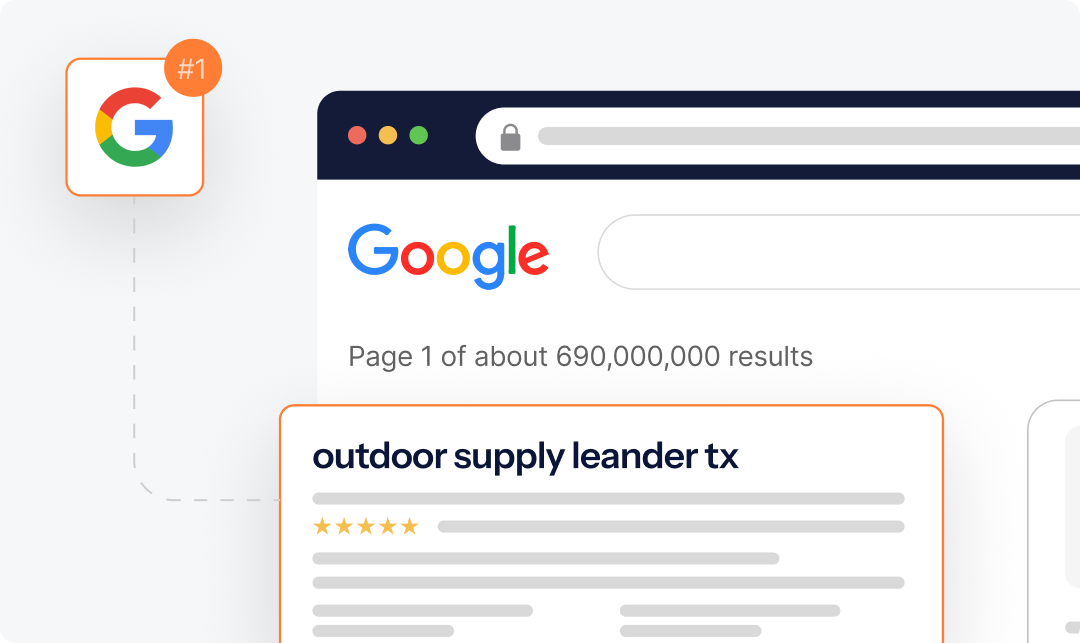
#1
JSP Outdoor Supply
Search Term
Outdoor supply leander tx
Before
After
ROI Calculator for HVAC Contractors
See exactly what goodtogo.dev delivers for your HVAC business investment.

Time Value
Calculation:
Current Reality:
- 2 hours/day on marketing
- 22 working days/month
- = 44 hours/month
- = 528 hours/year
Your Hourly Value: $100-150/hour (average for HVAC contractors)
Annual Time Savings Value: 528 hours × $125/hour = $66,000
What You Do Instead: Run more service calls, handle emergency responses, manage technicians, close more sales, train team.

Marketing Cost Reduction
Calculation:
Agency Alternative:
- Monthly retainer: $2,500-$5,000
- Setup fees: $2,000-$5,000
- Annual cost: $32,000-$65,000
- Often require 6-12 month contracts
DIY + Tools Alternative:
- Marketing tools: $300-$500/month
- Your time: 44 hours/month
- Annual cost: $3,600-$6,000 + $66,000 time = $69,600-$72,000
goodtogo.dev Premium Web:
- Monthly: $749
- Setup: $1,499 (one-time)
- Year 1: $10,487
- Year 2+: $8,988/year
Annual Savings: $22,000-$55,000 compared to alternatives

New Revenue Potential
Conservative Seasonal Scenario:
Summer Peak (3 months):
- 3 additional AC repair/replacement leads per month
- 25% close rate = 2-3 new jobs
- Average AC replacement: $6,000
- Summer revenue: $12,000-$18,000
Winter Peak (3 months):
- 2 additional heating repair/replacement leads per month
- 25% close rate = 1-2 new jobs
- Average furnace replacement: $5,000
- Winter revenue: $5,000-$10,000
Shoulder Season (6 months):
- 2-3 additional maintenance/tune-up leads per month
- 40% close rate = 5-7 new jobs
- Average maintenance contract: $500
- Shoulder season revenue: $2,500-$3,500
Total Additional Annual Revenue: $19,500-$31,500 (conservative estimate)
More Realistic Scenario:
Most HVAC contractors see 5-10+ additional monthly leads from improved local visibility = $60,000-$120,000 additional annual revenue.
Your Total ROI
Year 1 Investment: $10,487 (Premium Web)
Year 1 Returns:
- Time savings value: $66,000
- Cost savings vs. alternatives: $22,000-$55,000
- New revenue (conservative): $19,500-$31,500
- New revenue (realistic): $60,000-$120,000
Total Annual Benefit: $107,500-$241,500
ROI: 925% – 2,200%
Break-Even: Within 4-6 weeks of first new installation

Get Your Free HVAC Marketing Consultation
Talk with Jason or Zahra about your HVAC business. We'll discuss your market, your seasonal challenges, and whether AI-powered marketing is right for you. No pressure, no sales pitch—just honest conversation.

15-30 minute consultation

Direct access to founders

No obligation—honest assessment
Schedule Your Free Consultation
30-minute call with Jason or Zahra. No pressure. No sales pitch. Just honest conversation about your business and whether we're the right fit.
Prefer to reach out directly?

No credit card required

Cancel anytime after setup

Talk directly with founders

See pricing and packages first